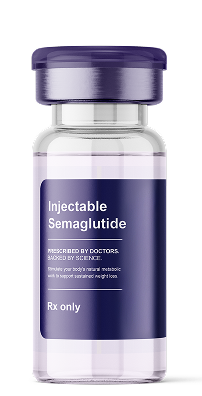
Before learning how to inject GLP-1, it is important to have everything prepared and within reach. Most programs provide the medication, syringes or a prefilled pen, and instructions for use. Having your supplies organized before each injection helps reduce errors and makes the process smoother every time. You will typically need your GLP-1 medication vial or pen, the correct
GLP-1 injection needles for your program, an alcohol swab to clean the injection area, and a sharps disposal container for safe needle disposal after use. Confirming that your medication has been stored correctly — usually refrigerated — and that it has not expired is also an important step before every injection. Taking a few minutes to prepare properly each time helps ensure the dose is delivered safely and effectively.
Knowing how to inject GLP-1 step by step makes the process straightforward and repeatable. Following the same routine each time helps reduce anxiety, improve consistency, and ensure the medication is delivered correctly. Here is the standard process most programs recommend:
Step 1: Wash your hands thoroughly with soap and water before handling any supplies.
Step 2: Clean the injection site with an alcohol swab and allow it to dry completely before injecting.
Step 3: If using a vial and syringe, draw the correct dose as instructed by your provider. If using a prefilled pen, confirm the dose is set correctly.
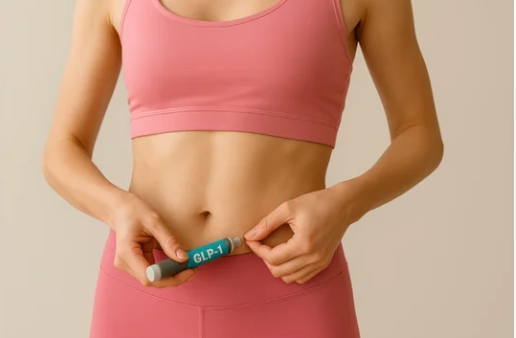
Step 4: Pinch the skin gently at the chosen injection site to create a small fold of fatty tissue.
Step 5: Insert the needle at the recommended angle — typically 45 to 90 degrees depending on body composition and needle length.
Step 6: Inject the medication slowly and steadily, then hold the needle in place for a few seconds before withdrawing.
Step 7: Remove the needle, apply light pressure with a clean swab if needed, and dispose of the needle safely in a sharps container.
Choosing the right area is just as important as technique, which is why understanding approved
GLP-1 injection sites helps ensure consistent absorption with every dose.
Understanding where to inject GLP-1 is just as important as mastering the injection technique itself. These medications are designed for subcutaneous injection, meaning they need to be delivered into the fatty tissue just below the skin. The three most commonly approved areas are the abdomen, the front of the upper thighs, and the back of the upper arms. The abdomen is typically the preferred choice because it offers consistent fatty tissue and reliable absorption for most people. The thighs are a popular alternative, especially for those who find the abdomen uncomfortable or too sensitive. The upper arms can also be used but may require assistance depending on your flexibility and comfort level. No matter which area you choose, rotating between spots within that area is essential to prevent tissue buildup and irritation over time. For a full breakdown of each location, proper rotation patterns, and tips for getting the most consistent absorption, visit our dedicated
GLP-1 injection sites guide.
Even with proper instructions, there are a few common mistakes that can affect how well the medication works and how comfortable each injection feels. Being aware of these issues ahead of time makes it easier to avoid them from the start. One of the most frequent mistakes is injecting into the same exact spot repeatedly without rotating, which can cause tissue buildup and reduce absorption over time. Another common error is not allowing the alcohol swab to dry fully before injecting, which can cause unnecessary stinging. Injecting too quickly rather than slowly and steadily can also increase discomfort and reduce accuracy. Some people also make the mistake of using the wrong needle length for their body type or injection site, which can affect how reliably the medication reaches the subcutaneous layer. Using the correct
GLP-1 injection needles recommended by your provider helps avoid this issue entirely. Finally, skipping doses or injecting inconsistently disrupts medication levels and slows progress, which is why following a structured
GLP-1 injection frequency schedule is a key part of getting reliable results.